
 GP Academy
 GP Immersion

Student Formation·
The Five Pillars: Conditions That Allow Students to Flourish
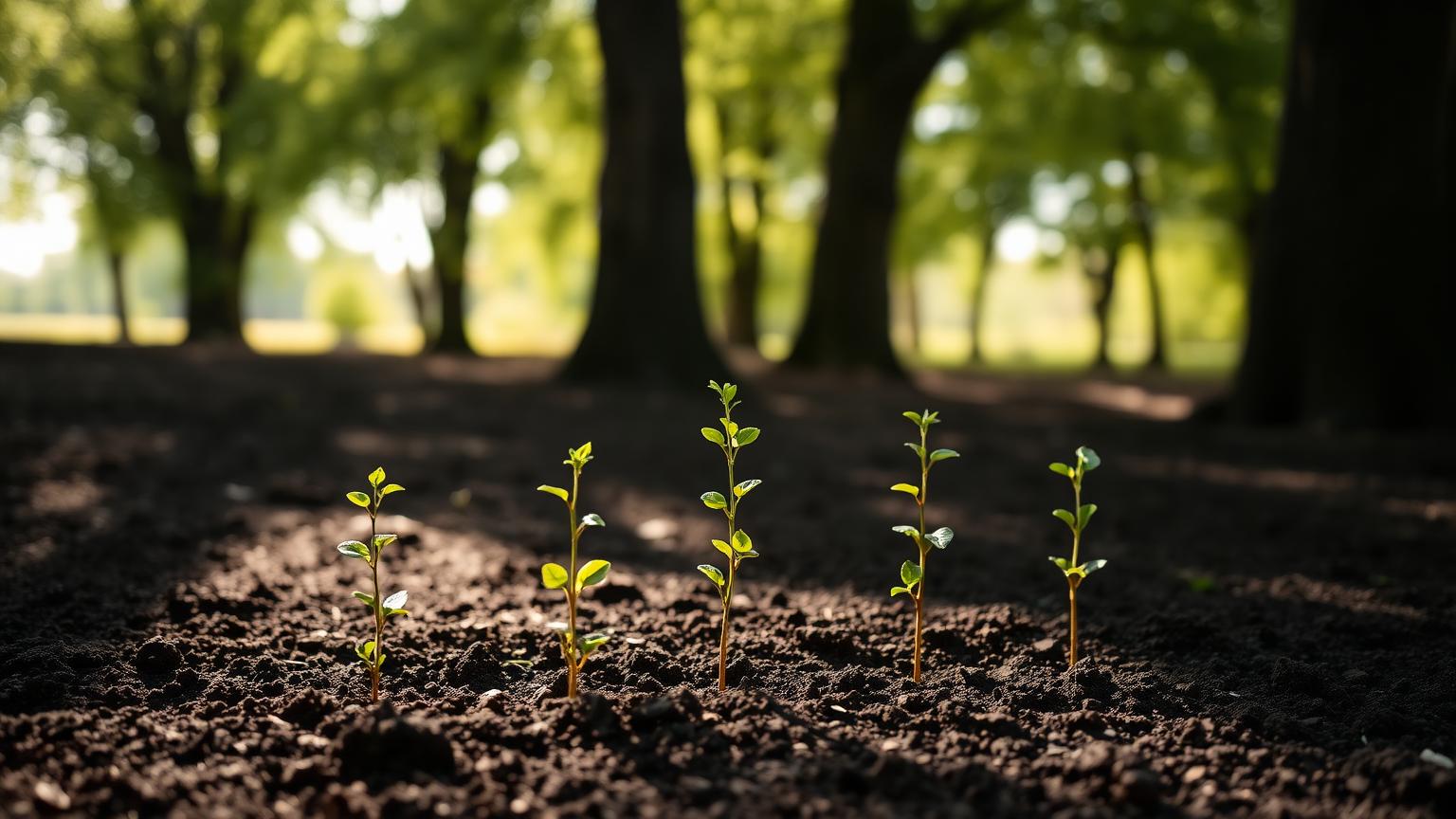
Healthy growth does not happen everywhere equally. The Five Pillars name the conditions we believe formation requires.
By Amanda Carcamo, Student Formation Director
Healthy growth does not happen everywhere equally. The Five Pillars name the conditions we believe formation requires.
By Amanda Carcamo, Student Formation Director
Healthy growth does not happen everywhere equally.
Whether we are talking about physical development, emotional maturity, spiritual formation, or leadership capacity, growth requires the right conditions. When those conditions are present, development unfolds naturally over time. When they are absent, even the most well-intentioned effort struggles to take root.
At Global Pathways Academy, our Five Pillars articulate those conditions. They are not a program or a checklist. They are a shared framework developed collaboratively by our advisors, teachers, and administrators: professionals who brought not only their training and experience to the table, but also a posture of humility and attentiveness to the wisdom of Scripture.
Together, we asked a simple but profound question:
What kind of environment allows young people to grow holistically? Intellectually, emotionally, relationally, and spiritually.
The Five Pillars emerged as our answer.
Students do not grow primarily because they are told to grow. They grow because the environment around them invites it.
Every school environment, whether intentionally or not, communicates messages about:
The Five Pillars name the conditions we believe are necessary for formation to occur with integrity and consistency.
They shape how adults show up, how systems are designed, and how students experience daily life at Global Pathways Academy.
To be seen is to be recognized as a whole person, not reduced to performance, productivity, or compliance. Students thrive when they know they are known. When their strengths, struggles, questions, and growth are noticed over time. Being seen provides the foundation for trust and engagement. At Global Pathways Academy, students are seen through:
Being seen affirms a fundamental truth echoed throughout Scripture: people are known and valued not for what they produce, but for who they are.
To be loved in an educational context does not mean the absence of expectations. It means that expectations are held within a posture of dignity, respect, and care.
Love creates belonging. Belonging creates the safety needed for honest reflection, perseverance, and growth.
Students experience this pillar when:
This pillar reflects a biblical understanding of love as steadfast and formative, not permissive, but deeply grounding.
Safety is often misunderstood as comfort. In reality, safety is what makes meaningful challenge possible.
Students need environments where they can:
Psychological and relational safety allows students to engage deeply rather than defensively. It encourages courage rather than avoidance.
At Global Pathways Academy, safety is cultivated through:
Safety is not the absence of challenge. It is the presence of support.
Accountability is an essential condition for growth. Without it, students may feel free but remain unformed.
True accountability:
Students learn accountability when they are guided to reflect on choices, understand impact, and take responsibility in age-appropriate ways.
At Global Pathways Academy, accountability is supported through:
This reflects a biblical vision of accountability that is meant to lead toward wisdom and freedom, not shame.
Confidence is not self-assurance rooted in ego. It is a growing sense of agency. The belief that one's actions matter and that challenges can be met with resilience.
Students develop confidence when they:
Confidence emerges naturally when students are seen, loved, safe, and accountable. It is not demanded; it is cultivated.
This pillar prepares students not only for academic success, but for leadership and service beyond school.
The Five Pillars did not emerge from trend or theory alone. They were shaped through prayerful reflection, shared experience, and engagement with the wisdom of Scripture, particularly the biblical vision of freedom paired with responsibility.
"Where the Spirit of the Lord is, there is freedom." (2 Corinthians 3:17)
Freedom, in this sense, is not the absence of structure. It is the presence of wisdom, discernment, and self-governance. Qualities that grow best under the right conditions.
The Five Pillars guide:
They provide a shared language that keeps formation coherent across contexts.
The Five Pillars describe the conditions that allow formation to take root, but formation becomes visible through lived practice over time.
In the next post, we will explore leadership development. How leadership is formed gradually through responsibility, reflection, and service, long before it is ever named or recognized.

Inquire now and we'll set up a 30-minute call to walk you through how GPA works for your family or school.